Flash Fiction Festival Three, the anthology published by Ad Hoc Fiction and containing stories from 82 of the participants and presenters who came to the 2019 Festival in Bristol has been arriving all over the world. Thanks to all writers who have posted pictures of their copies in different locations on Twitter and Facebook. We think we have collected up most of them so far. But if we have missed you, or you want to add yours, please let us know. Booking for this year’s festival is open and about half the places are now sold. The programme includes workshops from well known flash fiction teachers and writers from the UK, Ireland, the USA, Italy, Germany and Cyprus. The programme and the workshop details will be finalised soon. We hope you can come. All participants coming in 2020 have the opportunity to be published in our fourth festival anthology.

 Thank you to Ad Hoc Fiction for donating the costs of compiling, designing and printing our third festival anthology, which is available to buy now from the
 To get an idea of all the fun, do look through this gallery and also the videos linked. And if you want to give us your support in a further vote, we would love that very much.
 Writer, tutor, editor and Festival Curator,


 To give potential workshop students a bit more to think about, here are some of my favourite flash writing tips:

 It’s
It’s  for the raffle. We think writers who have not had their 150 word micros accepted for the ebook some weeks, may find the label of this bottle fitting.
 Thank you also to Nancy Stohlman, Damhnait Monaghan, Santino Prinzi, Jude Higgins, Tara Laskowski, Nod Ghosh and Michelle Elvy who are donating books.
 We’re completely over the moon that the Flash Fiction Festival 2018 is short listed in the new category, ‘Literary Festivals’, in this year’s Saboteur Awards! Thank you very much to everyone who nominated us. It is such a great honour. We’d also be honoured if you
  The Saboteur Awards announcements are taking place in Birmingham on Saturday evening, May 18th and representatives from all short listed events are asked to attend. Our director, Jude Higgins is on a flash fiction writing retreat with Kathy Fish and Nancy Stohlman in Italy in May, where, on the day, we will be tuning in on social media to see what’s happening. We’re very pleased that Festival Hospitality Co-ordinator, Diane Simmons, pictured here sorting out some food at last year’s festival, will be there to represent us. She’s also there on her own behalf, having been short listed in the short story category for her marvellous flash fiction collection, Finding A Way. Many congratulations to her.


 Are you booked or are you a workshop leader at our third Flash Fiction Festival and arriving at the Festival on Friday afternoon 28th June? Or attending the pre-festival workshop with Kathy Fish and think you might need a meal when you have finished? We’ve arranged Bristol’s wood-fired mobile pizza outfit,
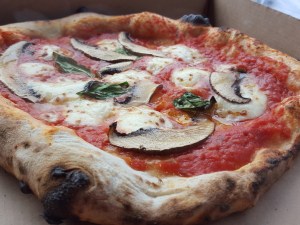 sampled a pizza and they are very tasty. We need advance payment to secure Wood Chop Pizza’s services. And if you want one, it would be helpful to us if you paid via paypal or any card below asap and then
You must be logged in to post a comment.